Garden growing
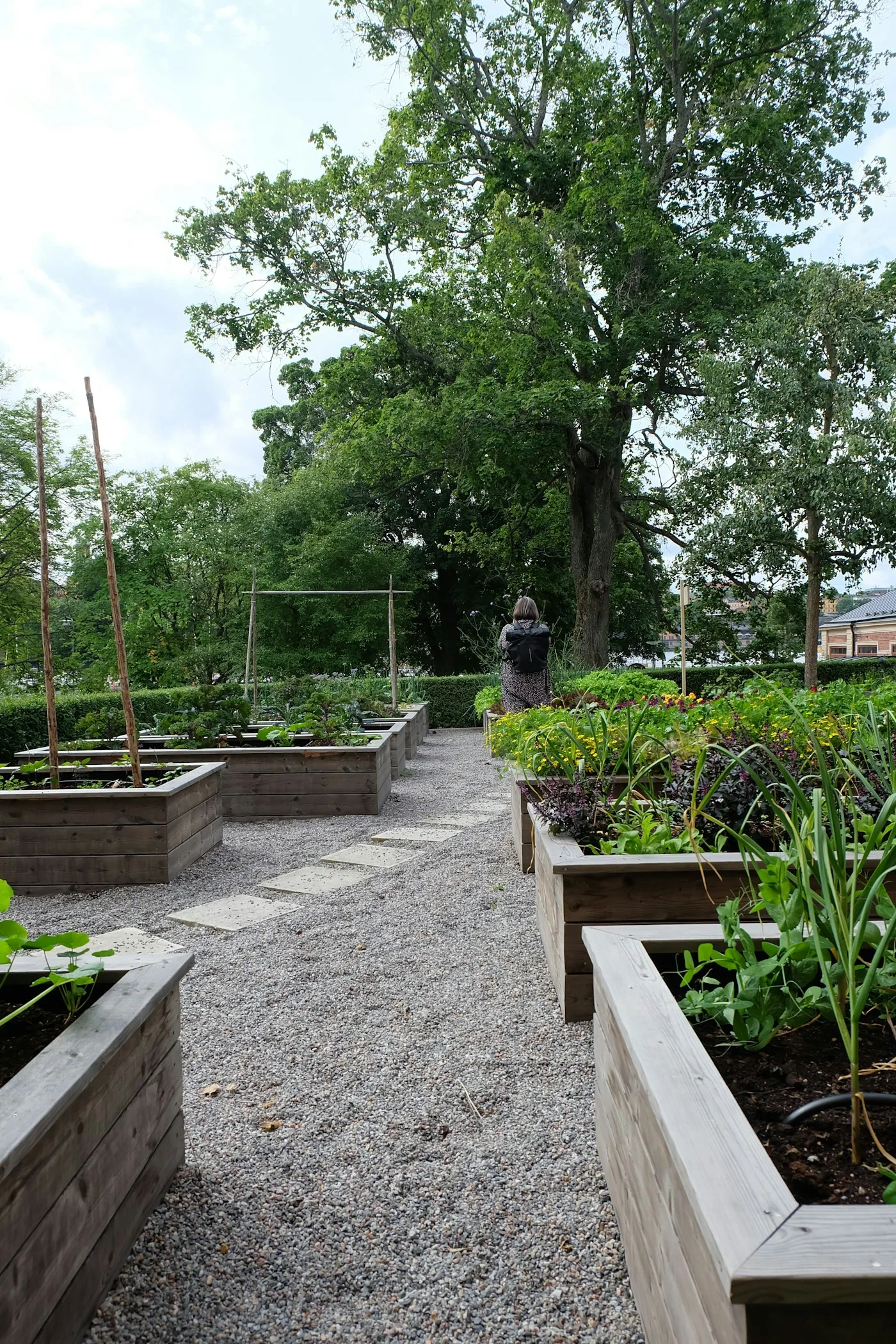
Build a practical garden plan around sunlight, soil, water and local seasons, with clear starting points for beds, containers and everyday care.
Explore guides →Observe · plan · plant · learn
Grow Blueprint is a practical reference for gardens, indoor growing and small homesteads. Start with your light, soil, climate, space and time—then choose methods that fit the conditions you actually have.
Build a practical garden plan around sunlight, soil, water and local seasons, with clear starting points for beds, containers and everyday care.
Explore guides →Understand indoor light, containers, temperature, humidity and airflow so you can choose plants and equipment that suit your space and goals.
Explore guides →Compare practical growing requirements for vegetables, fruit, herbs and useful plants, from propagation and spacing through harvest and storage.
Explore guides →Plan manageable homestead systems for food, compost, water, preservation and livestock by starting with capacity, dependencies and daily work.
Explore guides →Create useful site maps, planting calendars, bed plans and growing records that connect crop requirements with the space and time you have.
Explore guides →Choose practical farming and garden tools for digging, planting, pruning, watering and moving materials, with clear guidance on safe use and care.
Explore guides →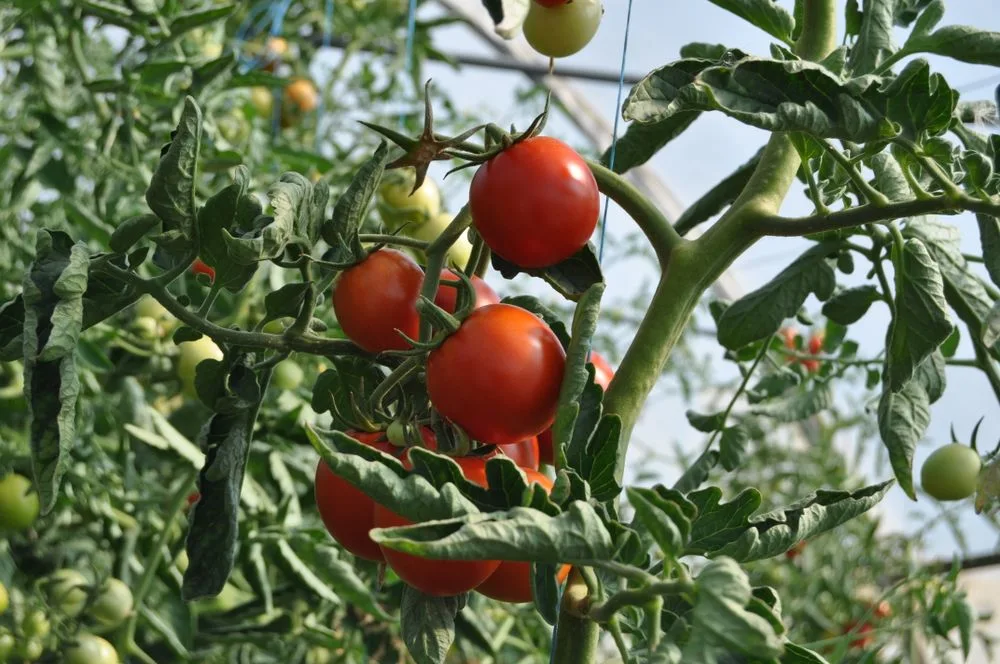
Tomatoes are warmth-loving fruiting plants that need strong light, reliable moisture, fertile growing media and support suited to their growth habit.
Read the growing guide →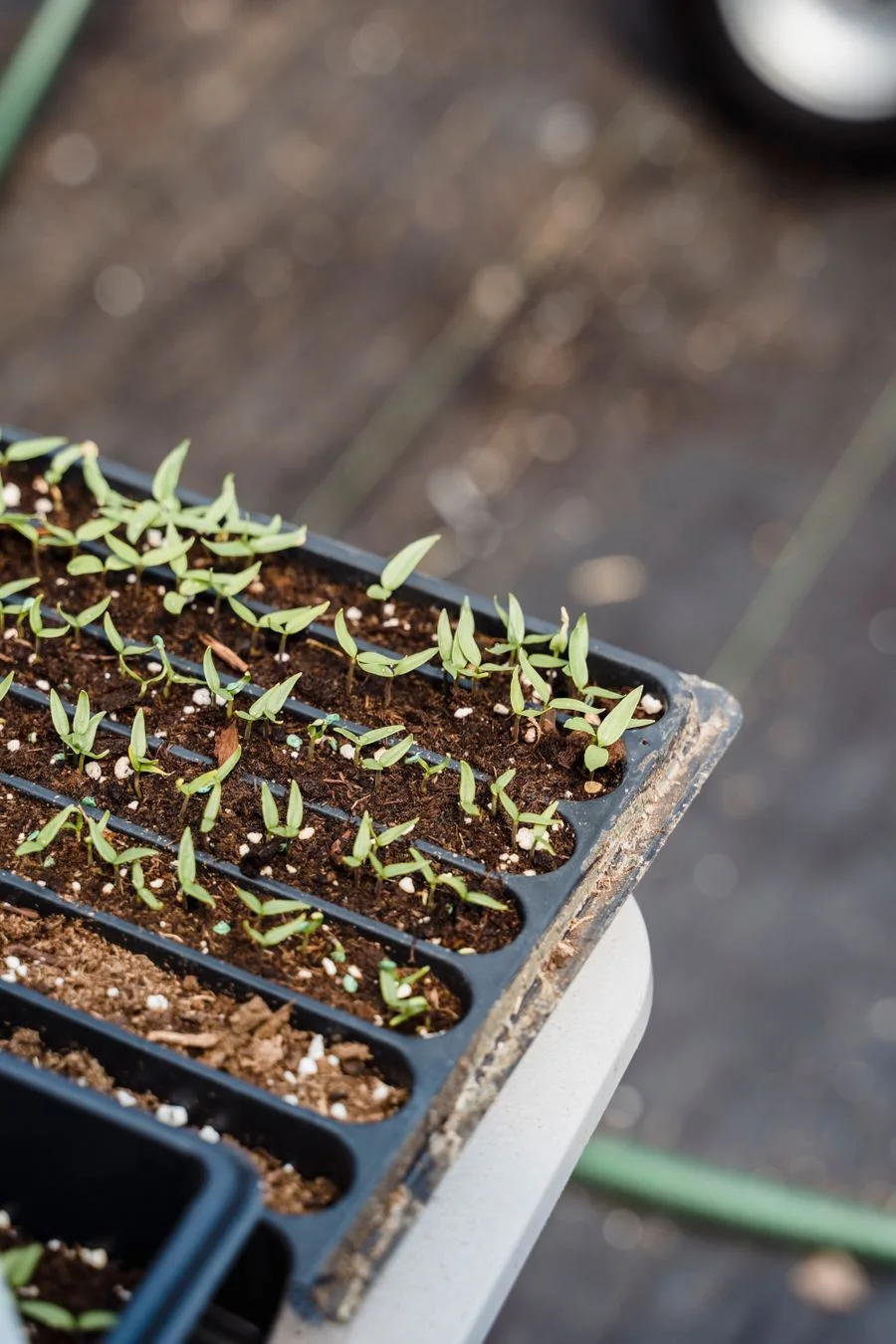
Match crops to your light, space and growing conditions.
Open the interactive garden planner →Tomatoes are warmth-loving fruiting plants that need strong light, reliable moisture, fertile growing media and support suited to their growth habit..
Sweet peppers are long-season tender plants that crop best with sustained warmth, bright light, a generous root zone and consistent moisture from flowering onward..
Lettuce is a compact cool-season leaf crop that rewards succession sowing, steady moisture and varieties selected for the temperature and day length of each planting window..
Basil is a tender aromatic herb that produces repeated shoot harvests when given warmth, strong light, steady moisture and regular pinching above leaf pairs..
Match vegetables to your sunlight, space, containers, climate and experience, then compare practical requirements and build a growing shortlist..
Plan indoor seed sowing around transplant dates, seedling growth, available light and propagation space without starting everything too early..
Plan vegetable harvest windows, picking frequency, storage and surplus so crops are gathered at a useful stage and handled promptly..
Build a vegetable planting calendar around local conditions, crop needs and realistic sowing, transplanting and harvest windows..
Start a manageable vegetable garden by assessing the site, choosing a bed method and crops, preparing soil and planning routine care..
Assess garden sunlight, shade, soil, drainage, wind, water and access before deciding where to place beds and grow food..
Choose and manage fleece, insect mesh, netting and cloches (clear protective covers over plants) by matching the material to frost, pests, weather, pollination and wildlife safety..
Compare raised beds and in-ground gardens by soil, drainage, access, cost, water use, construction and long-term maintenance..
Add solar power to a small homestead: choose grid-tied, hybrid or off-grid, size panels, batteries and inverter from your real load, and plan for safe upkeep..
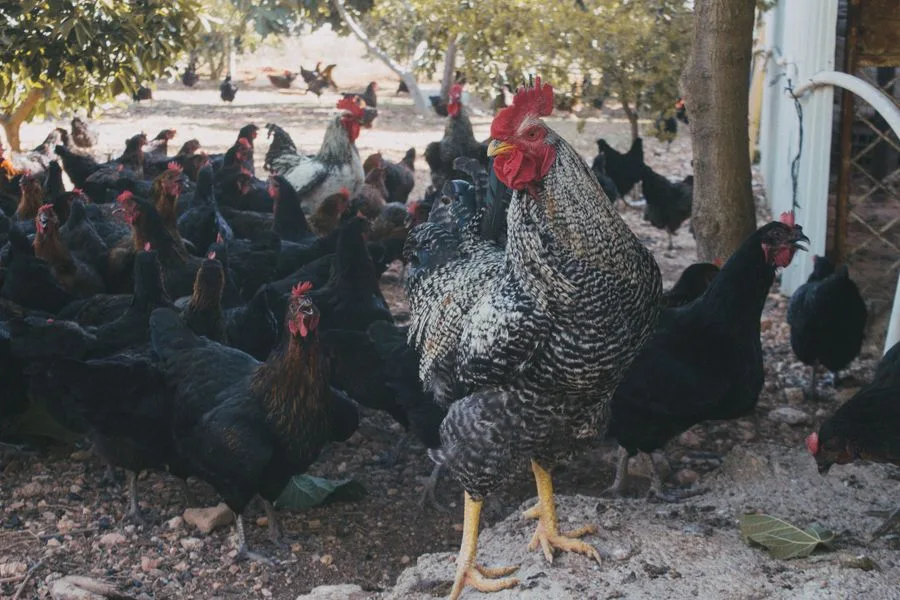
Build a simple chicken coop with predator-resistant construction: site, frame, run, roosts, nest boxes, ventilation, bedding and regular inspection and maintenance..
Plan a simple root cellar around local frost depth, soil stability and drainage, with suitable construction, ventilation, crop storage and checks of actual temperature and humidity..
Map homestead inputs, outputs, dependencies, seasonal workload, storage and failure points before connecting or expanding projects..
The Grow Blueprint method
“Full sun,” “well drained” and “water regularly” are starting points, not complete instructions. Translate them into hours, depth, volume, frequency and a repeatable observation.
Select plants and methods for the resources you can sustain. The most productive system is often the one that still works during a busy week, a dry spell or a change of season.
A simple record of the date, variety, weather and result helps you adapt general guidance to your own site. Use each season as evidence for the next one.
Garden photograph by Bruce Barrow / Unsplash. Additional photographs: tomatoes, seedlings, chickens and planning, via Pexels.